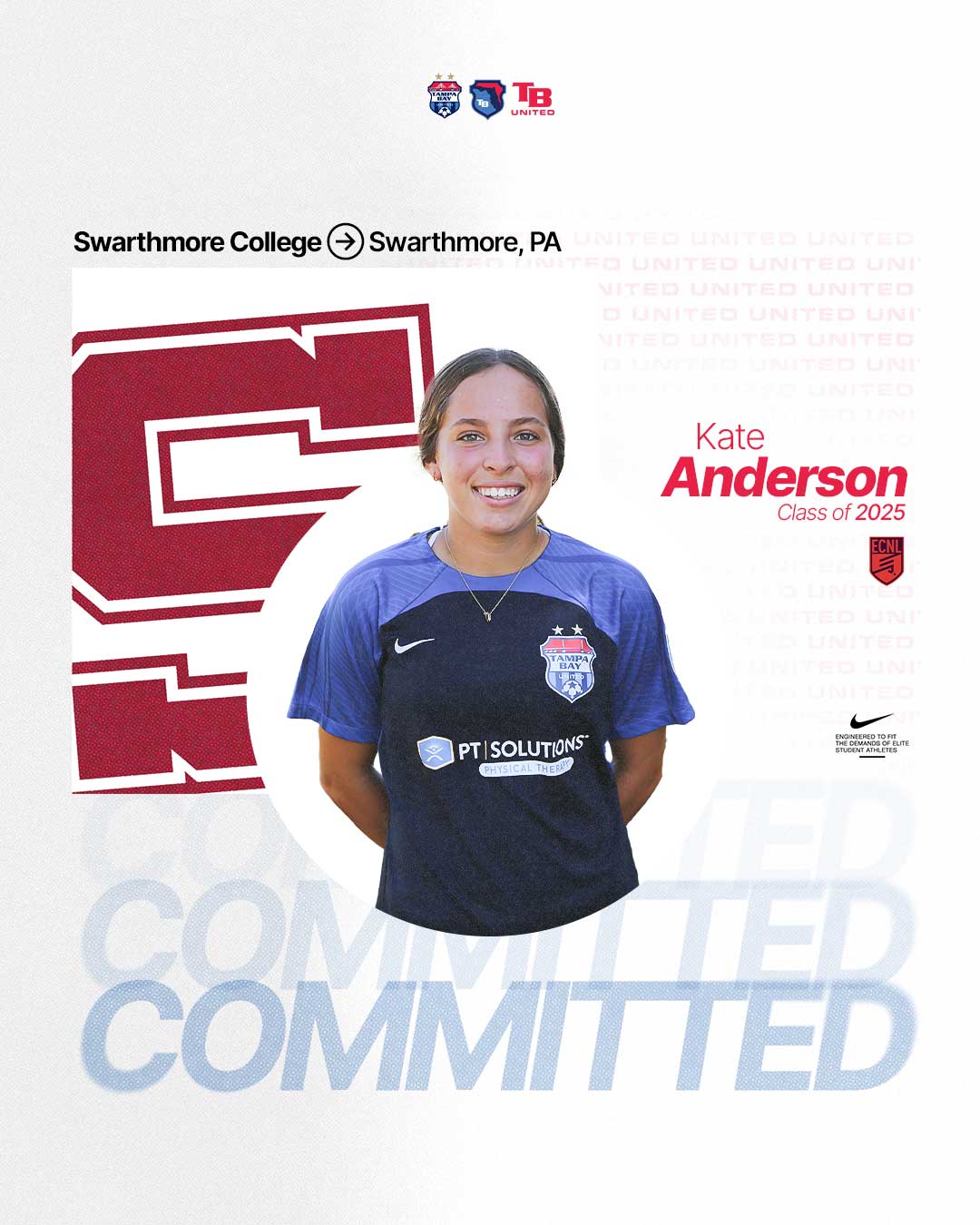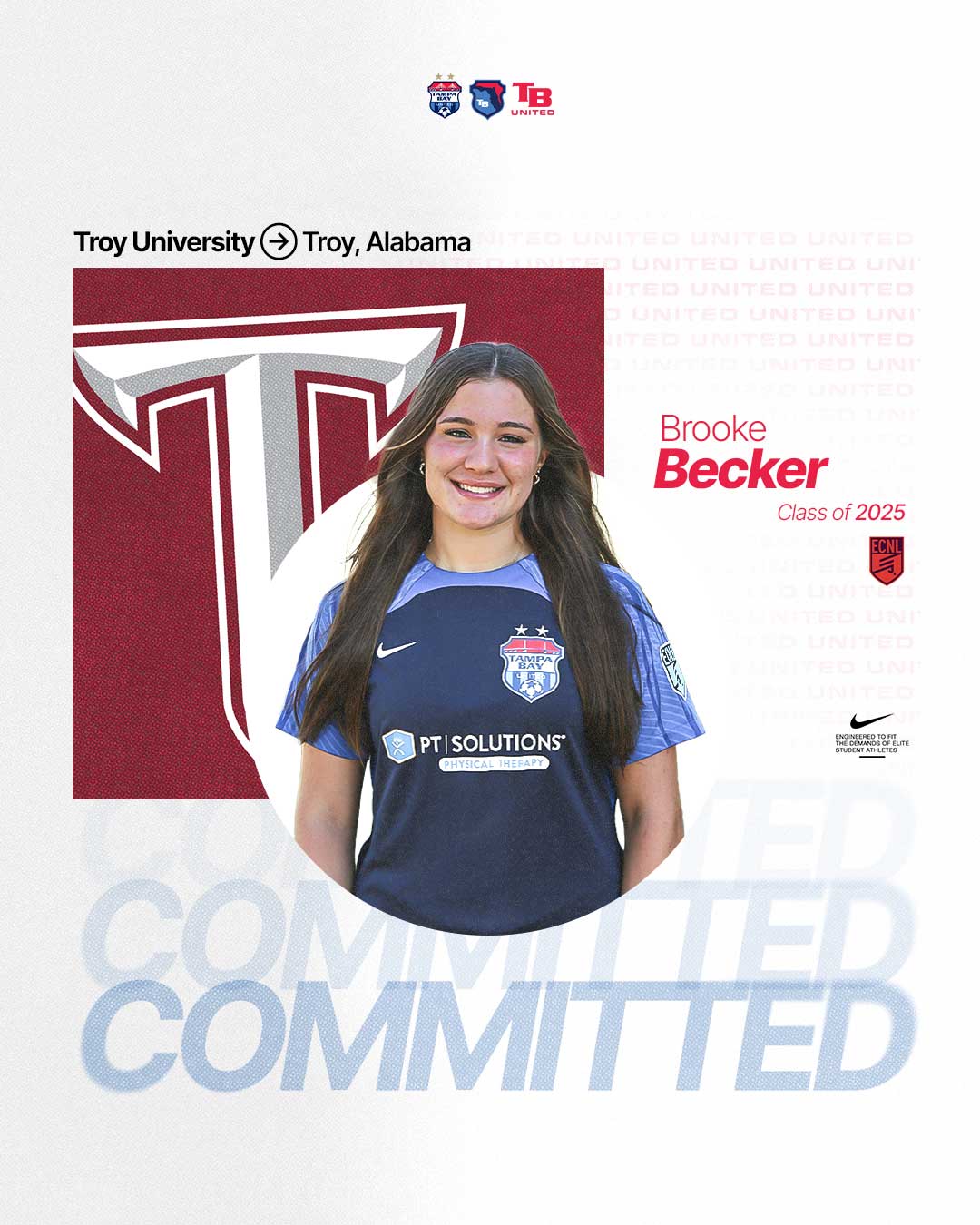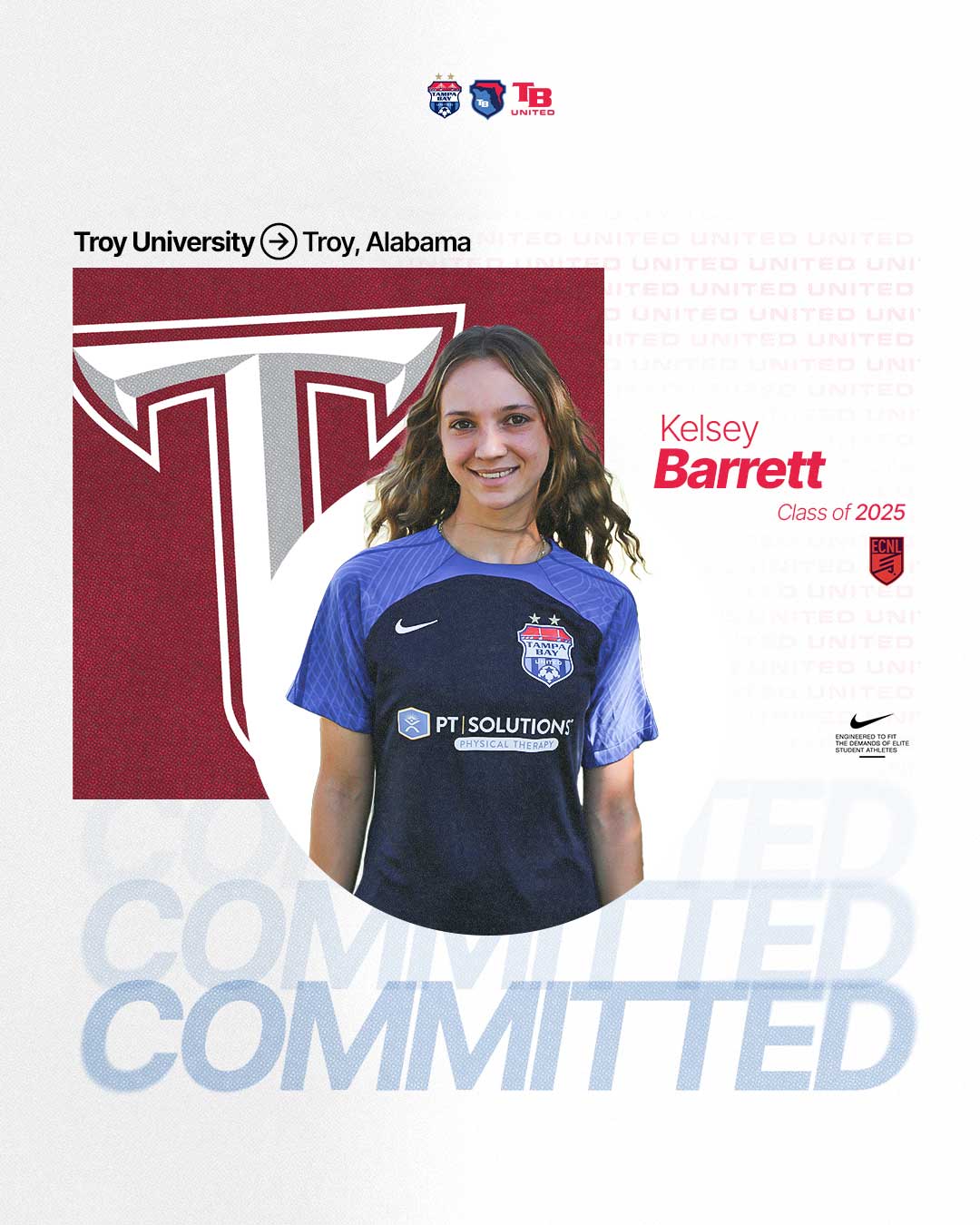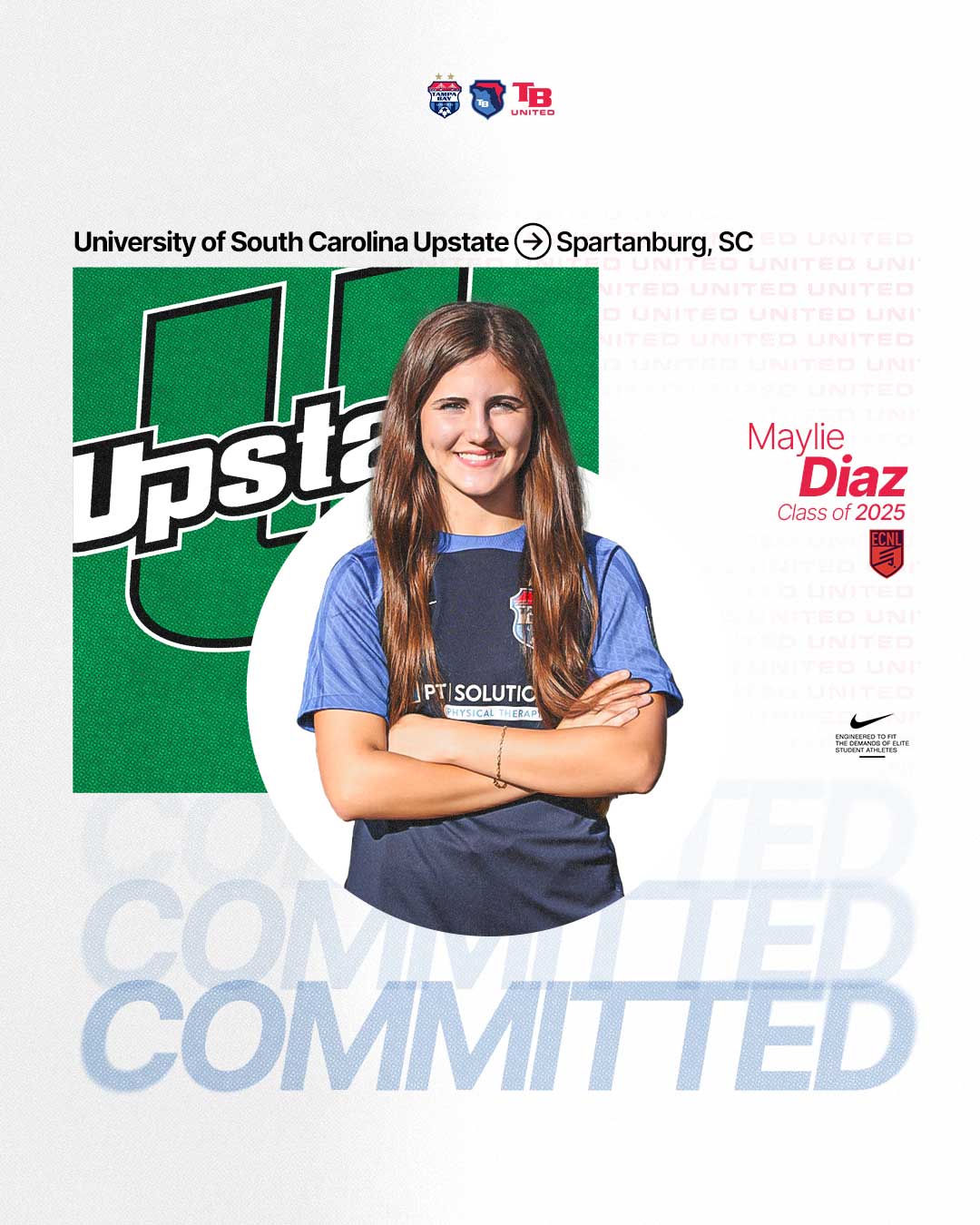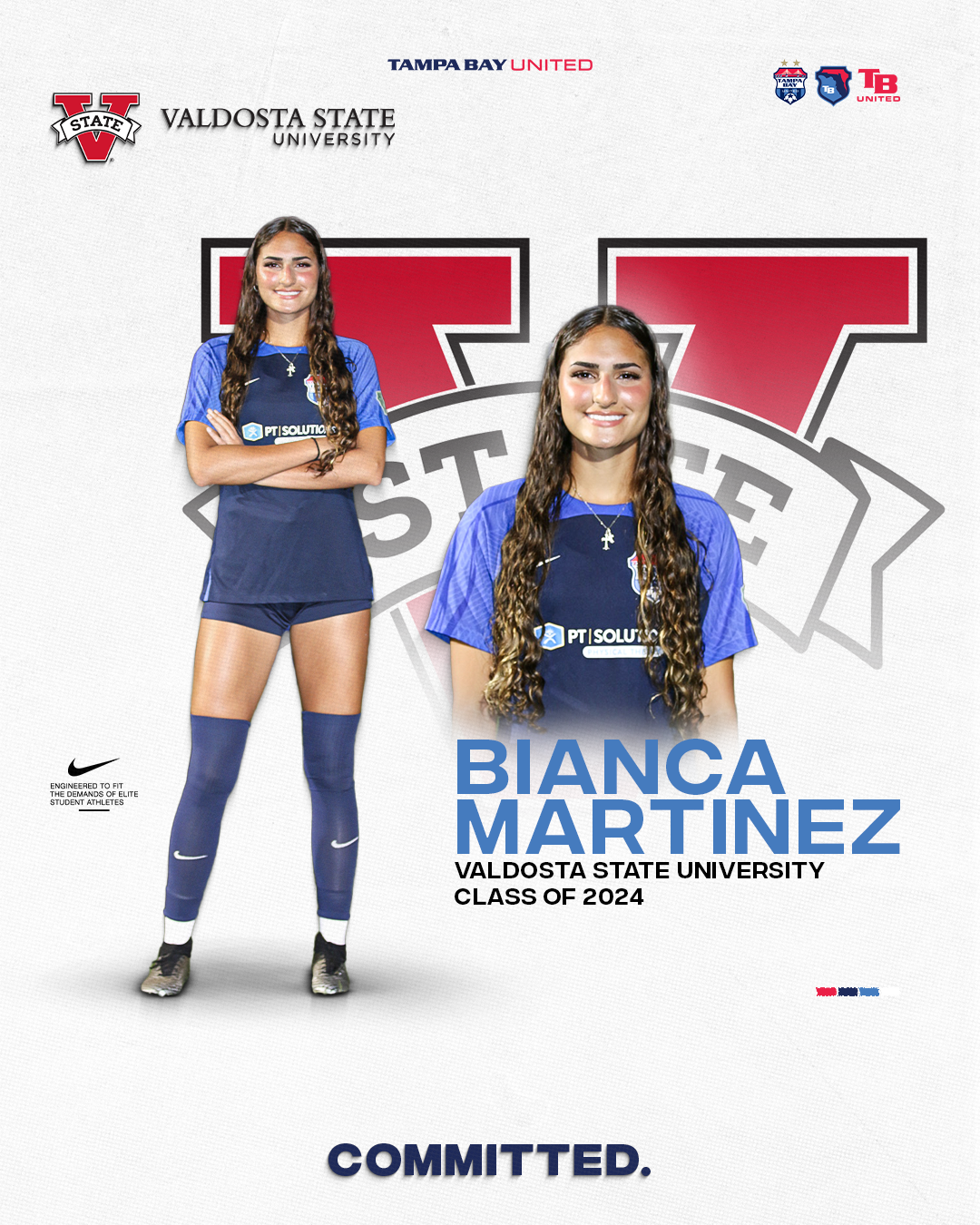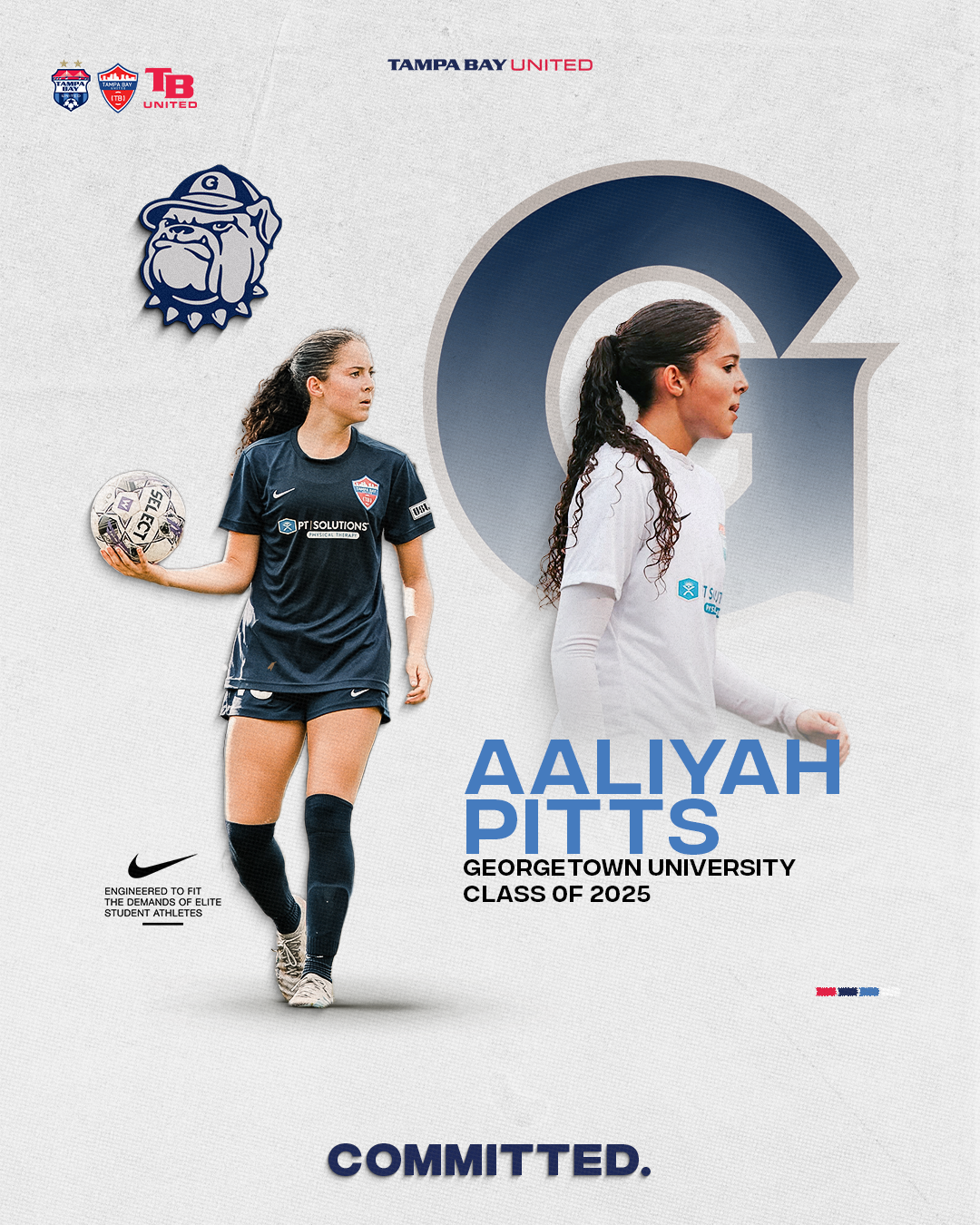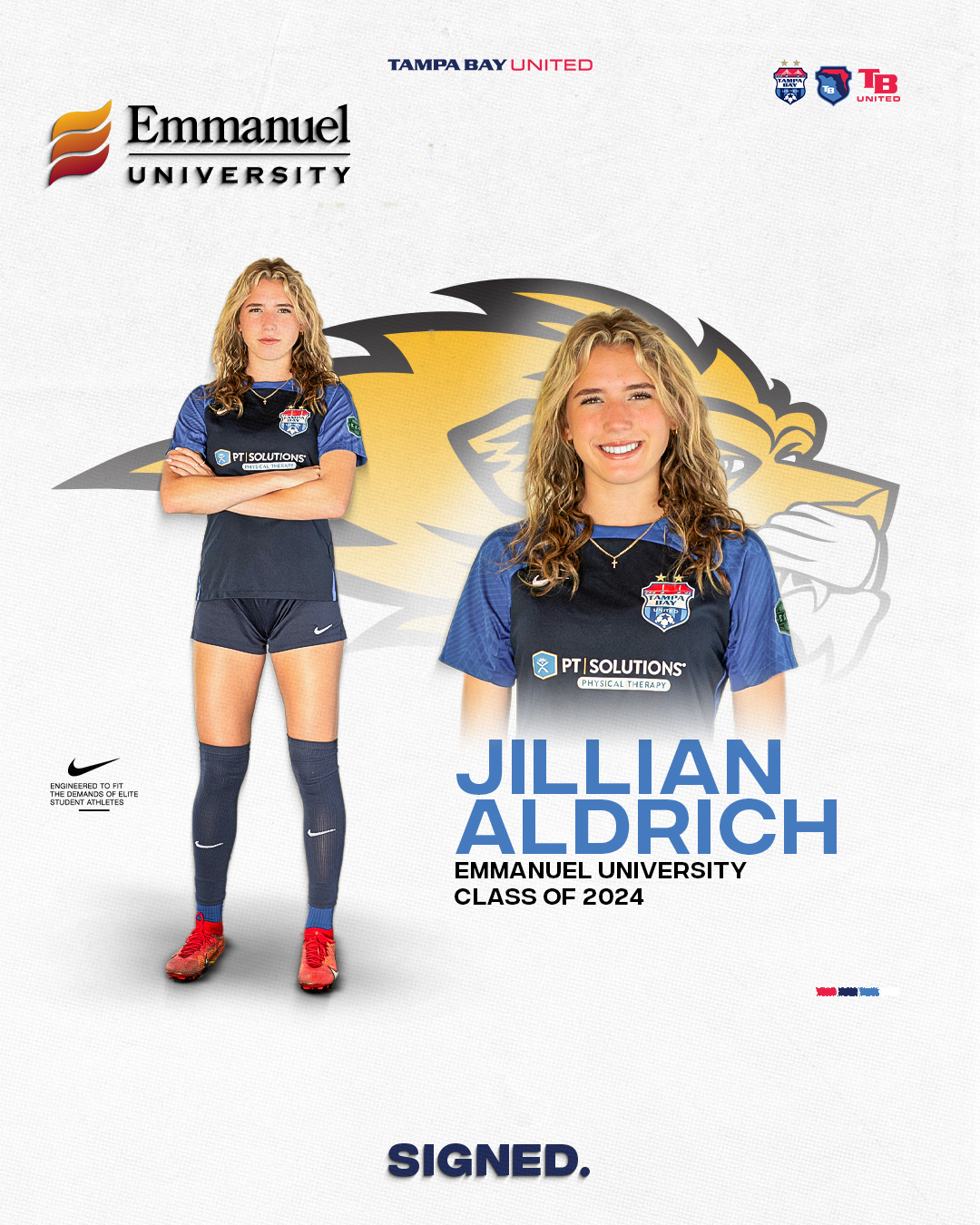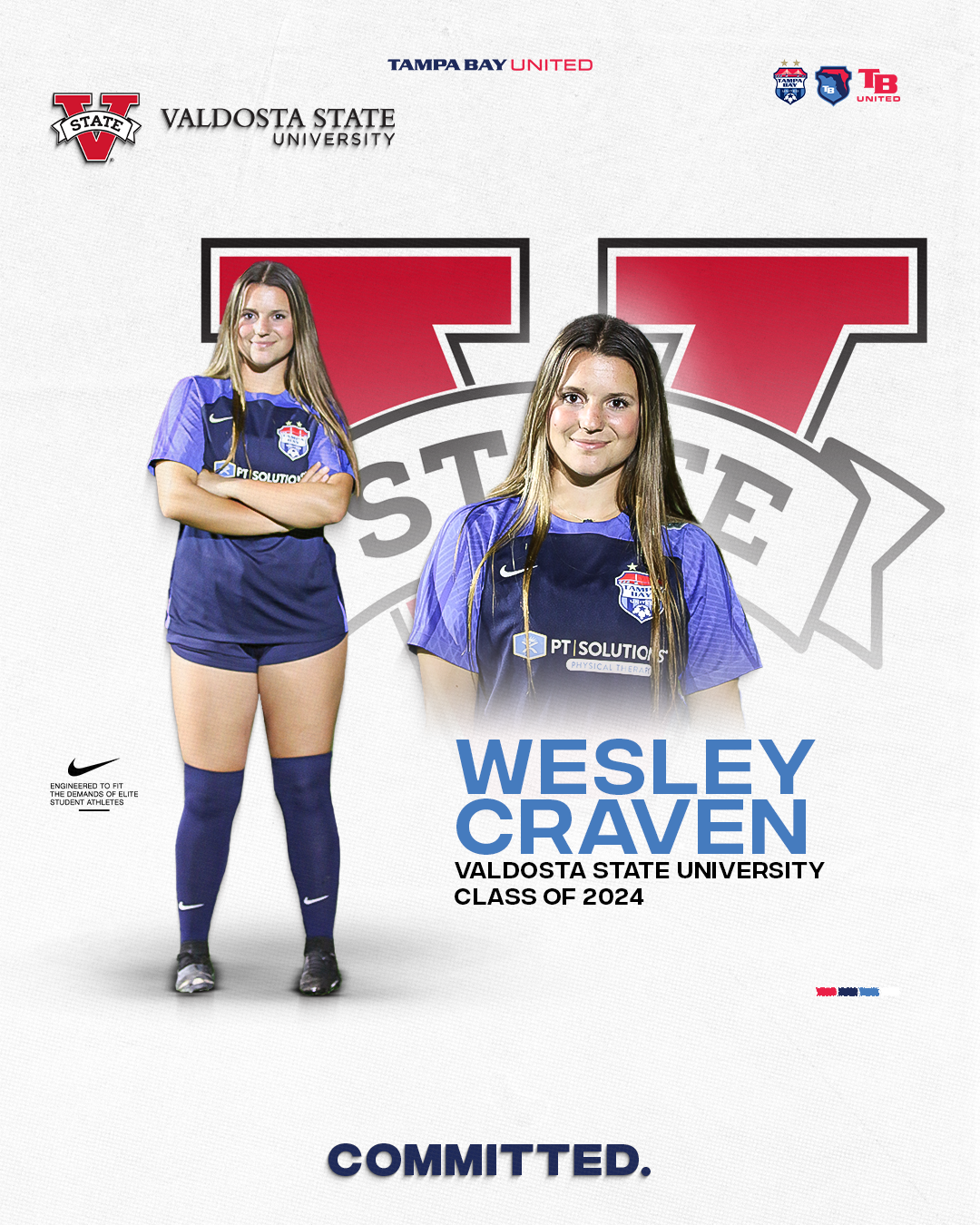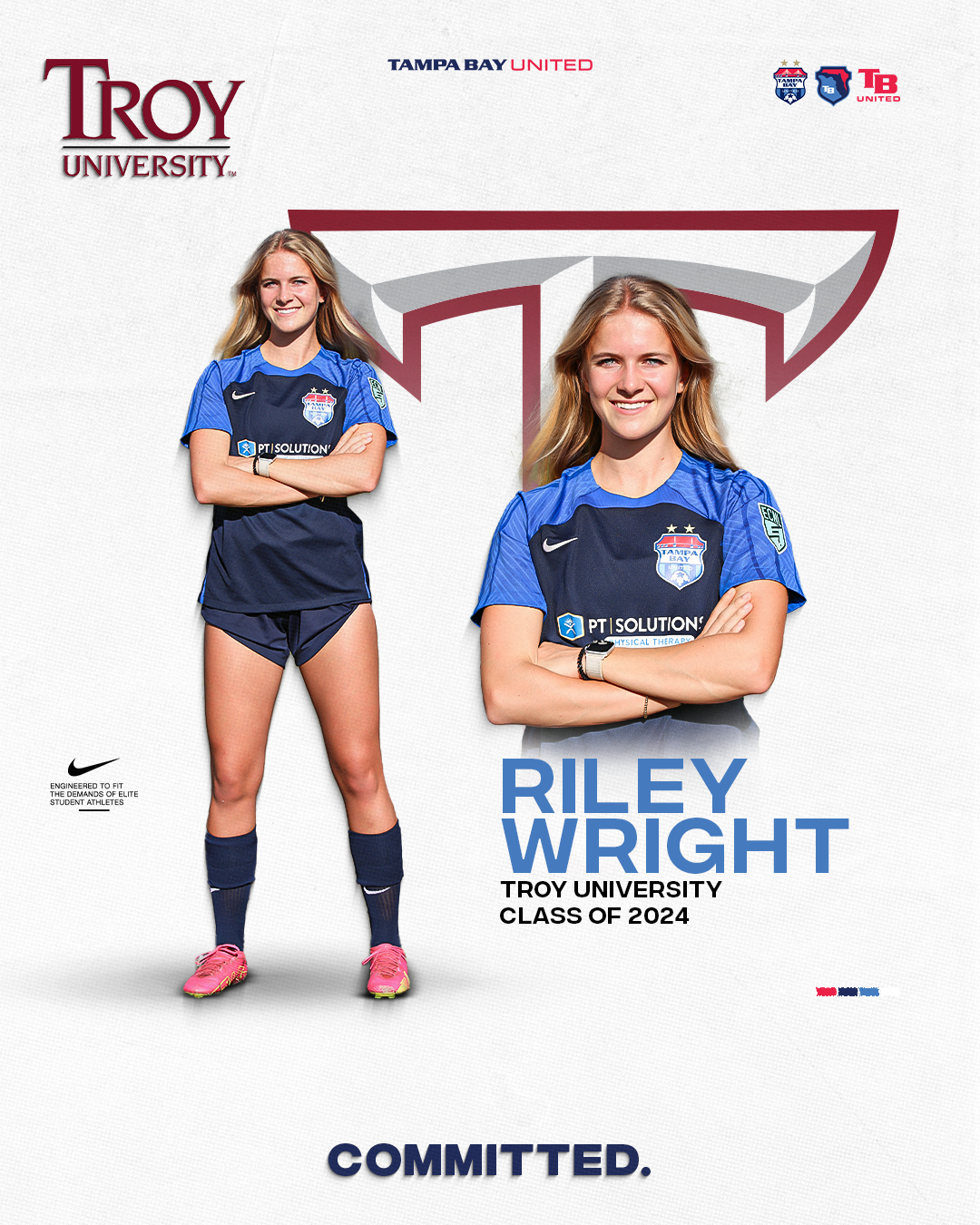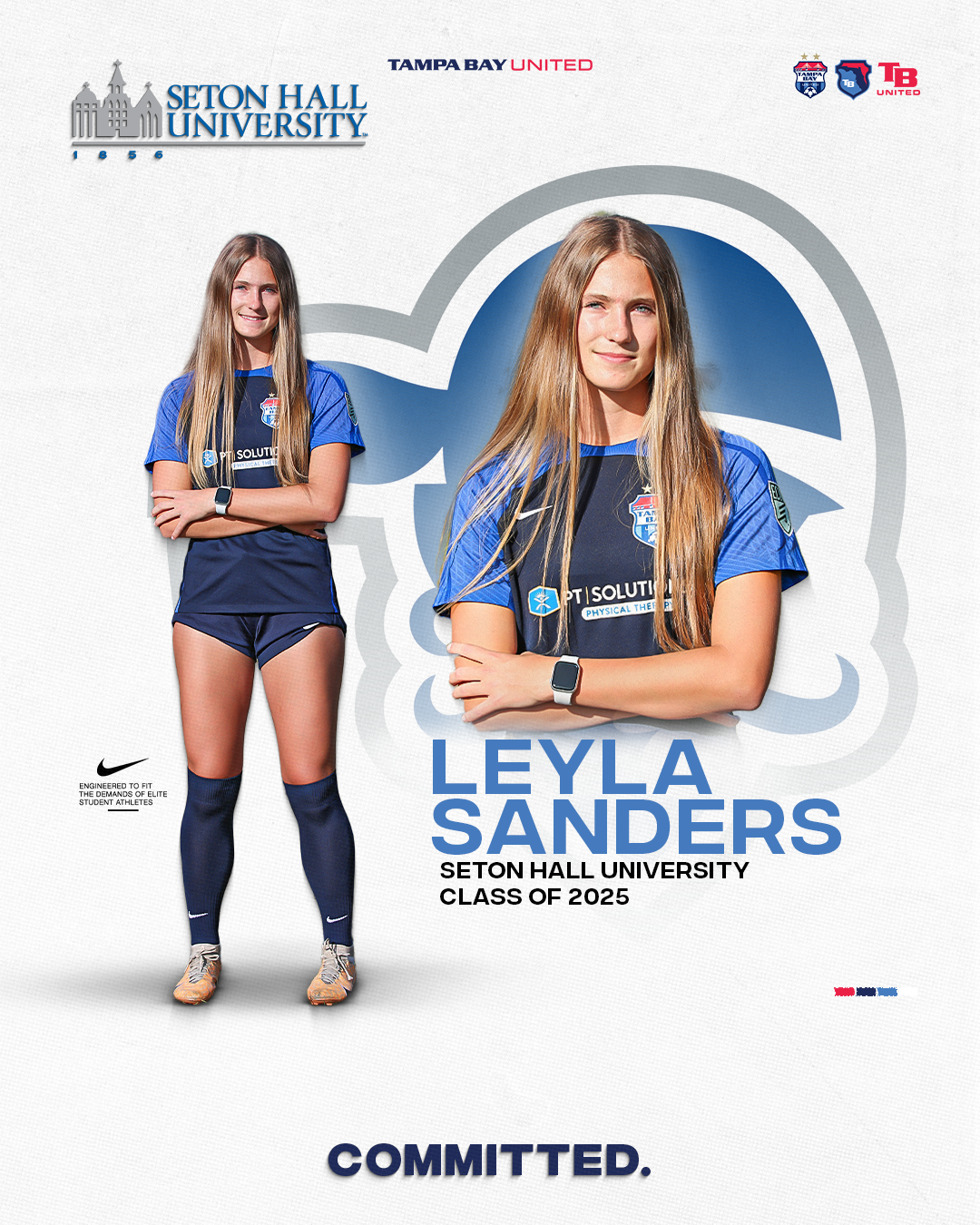








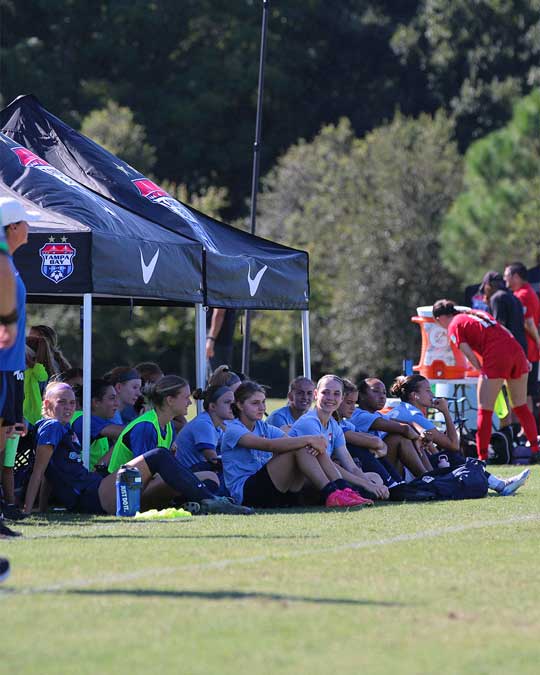
TBU is deeply committed to to empowering and uplifting the next generation of female leaders. By implementing targeted programs, we aim to provide girls with the resources, mentorship, and opportunities they need to thrive academically and personally. Advancing our girls into college is a top priority because we believe that education is the key to breaking barriers and fostering long-term success. Through these collaborations, TBU strives to create a future where young women have the tools to lead with confidence and impact their communities.
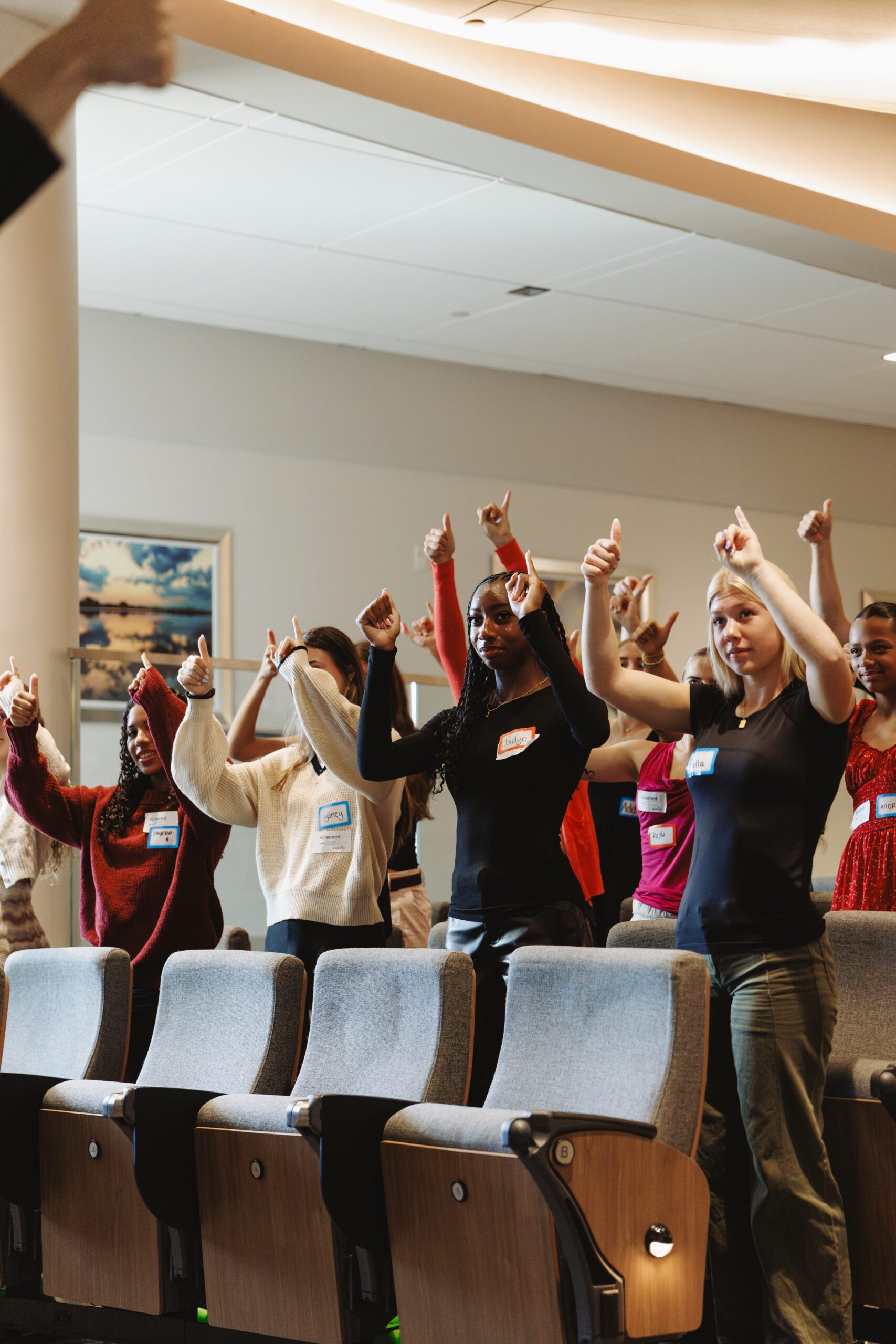

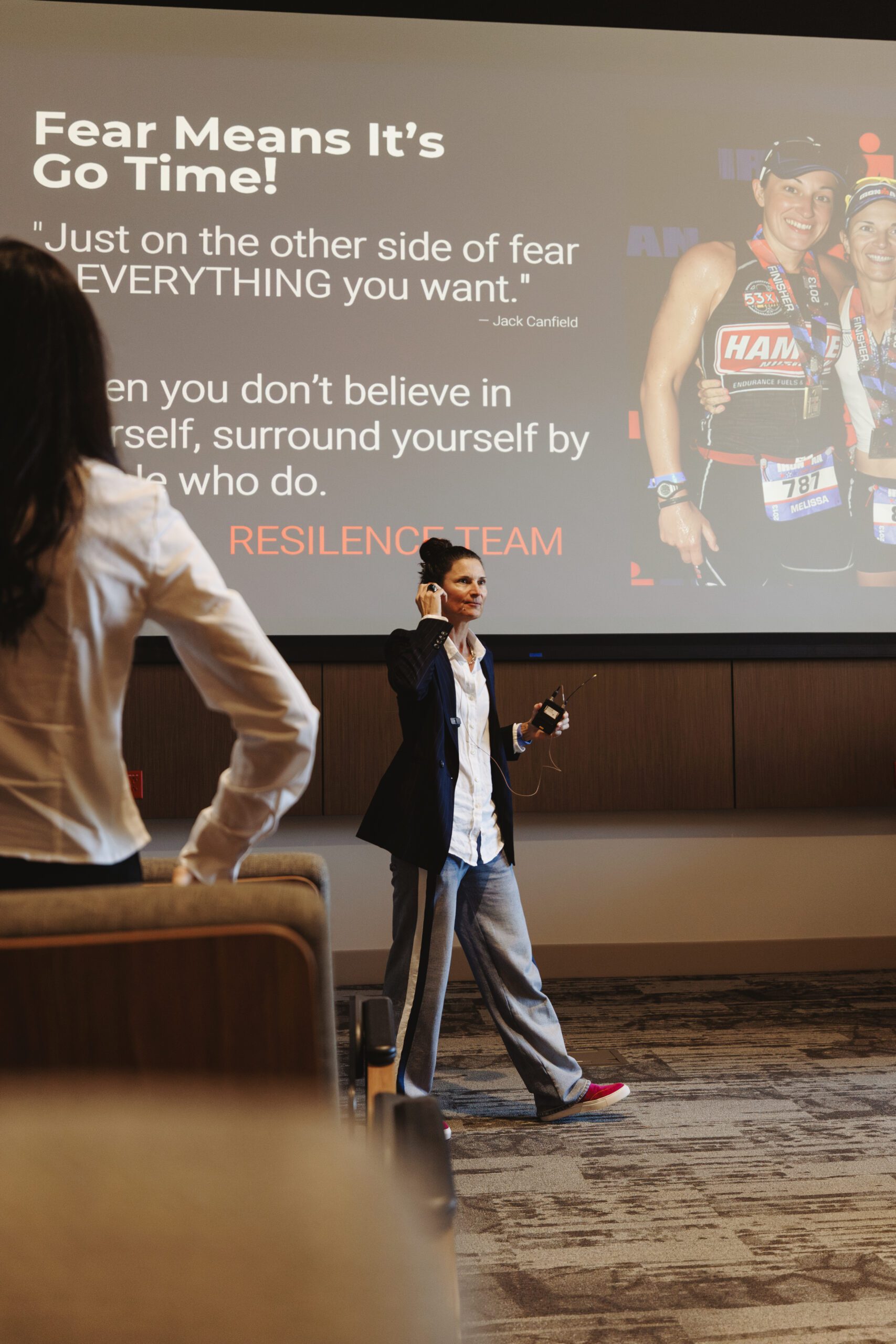

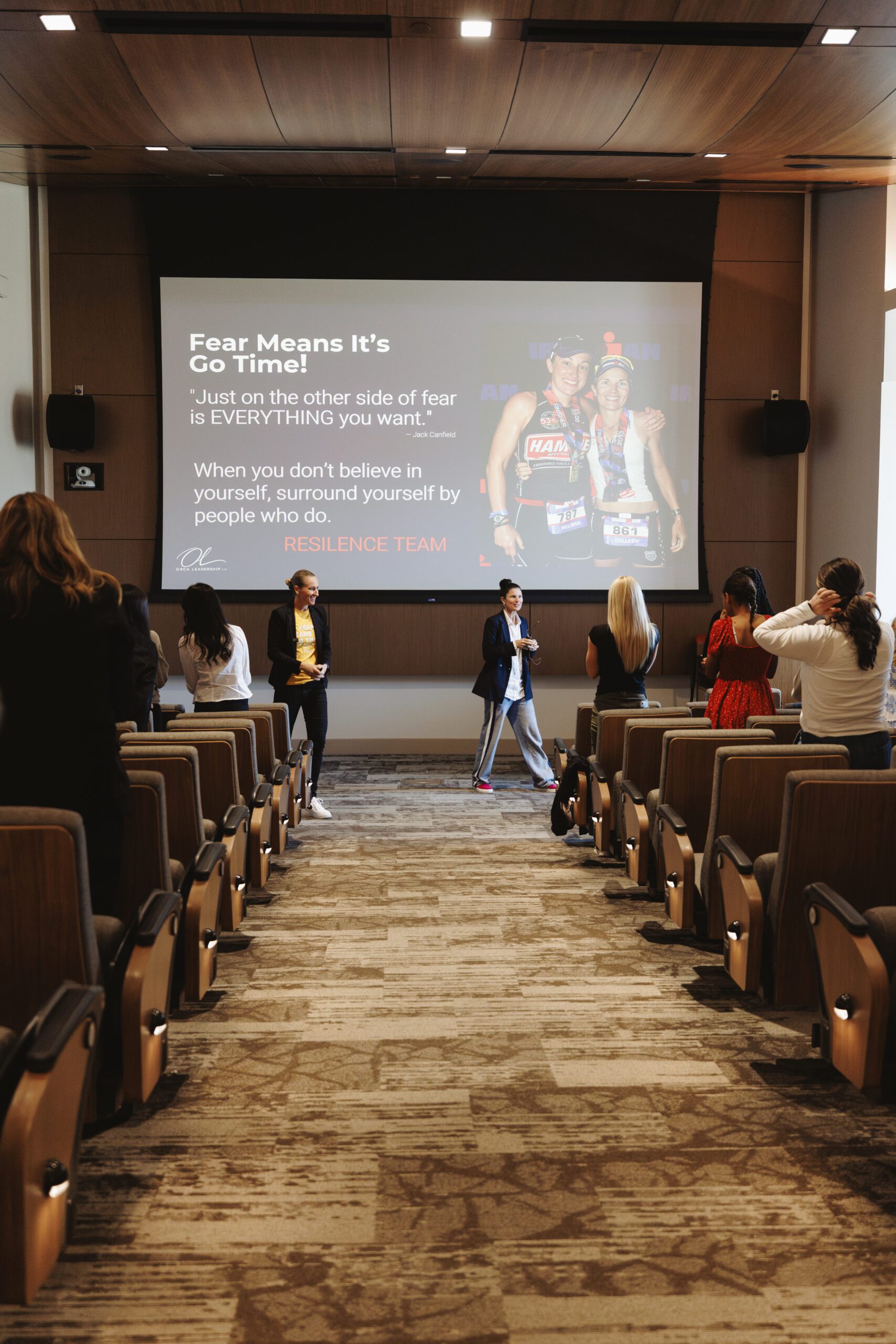

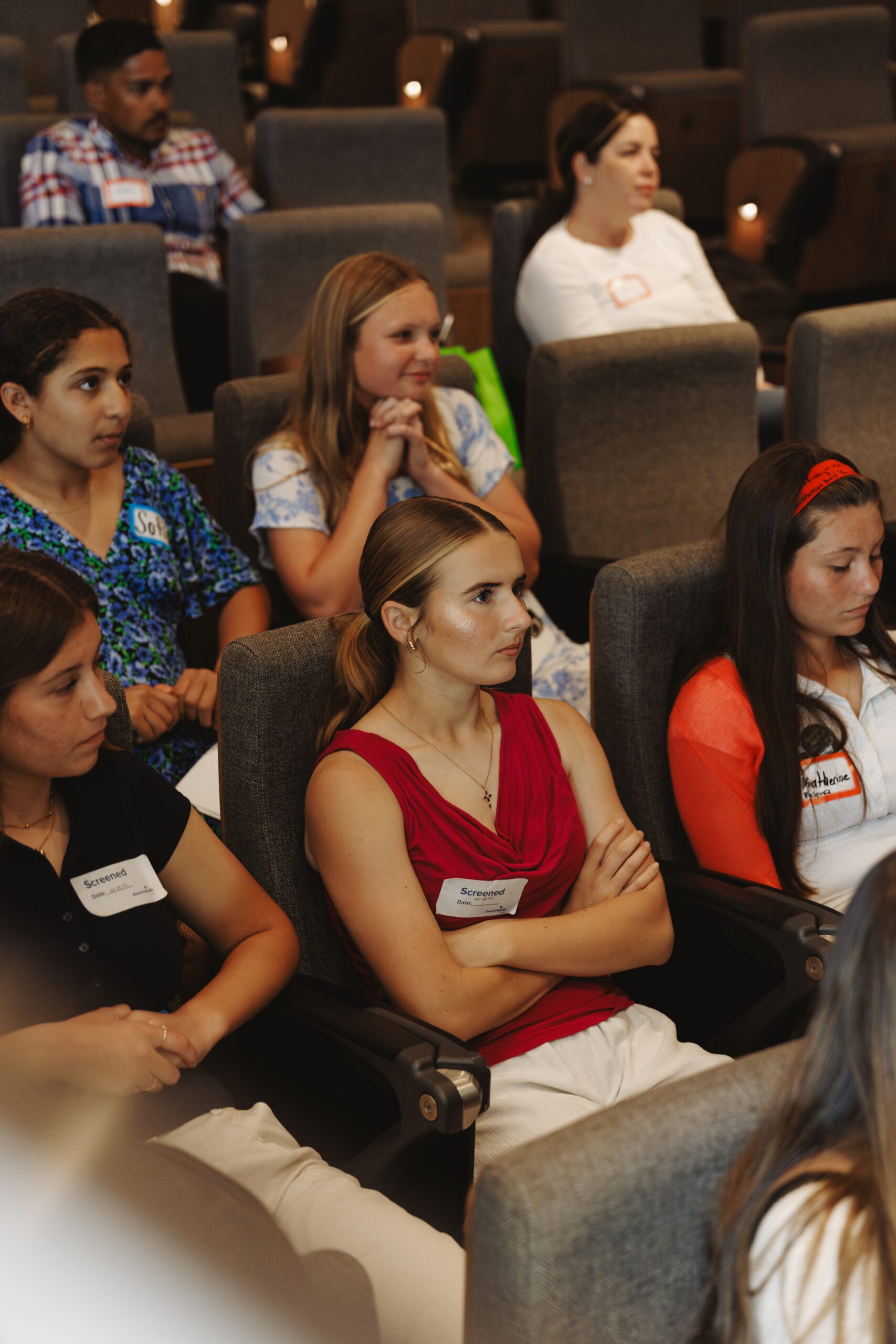

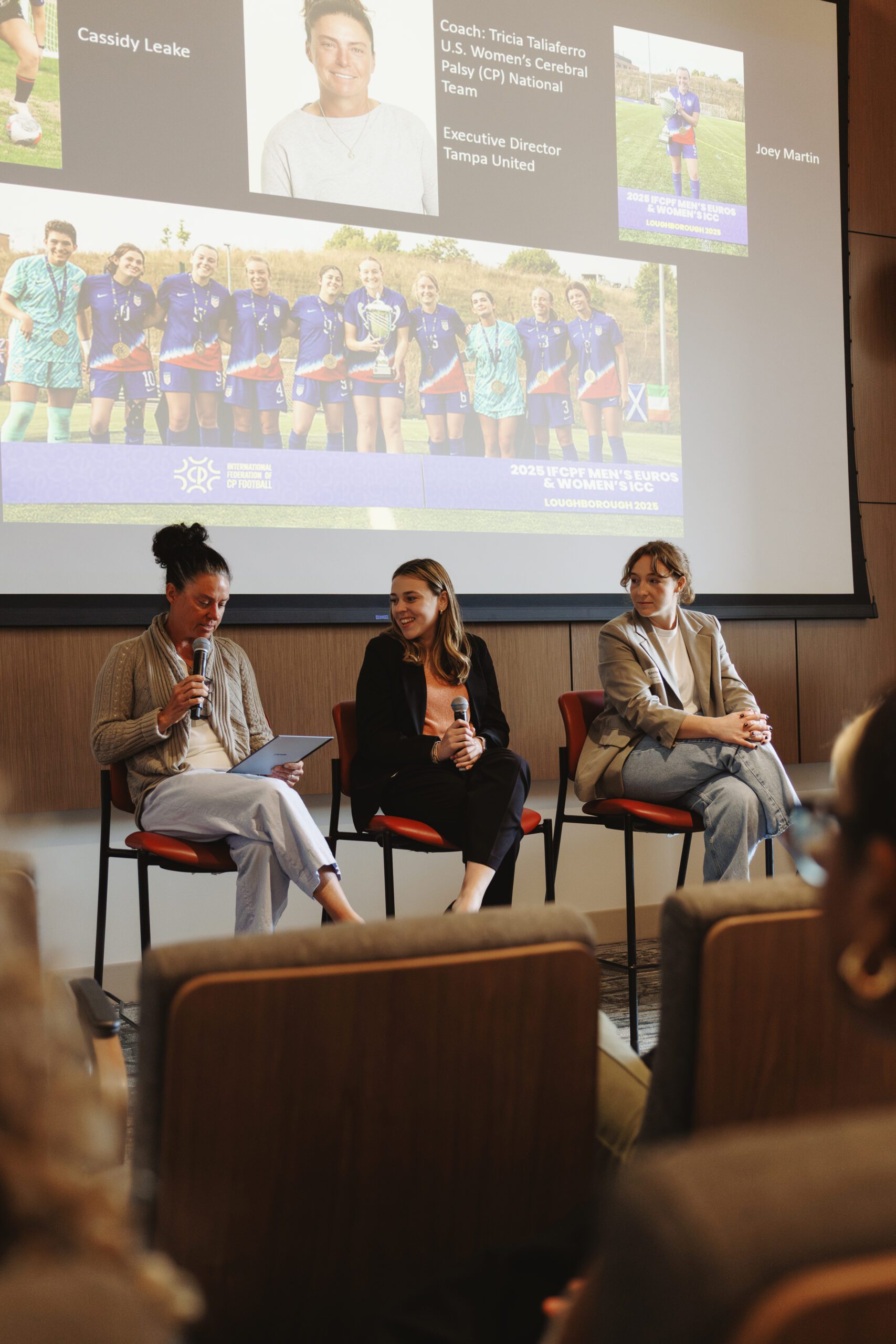
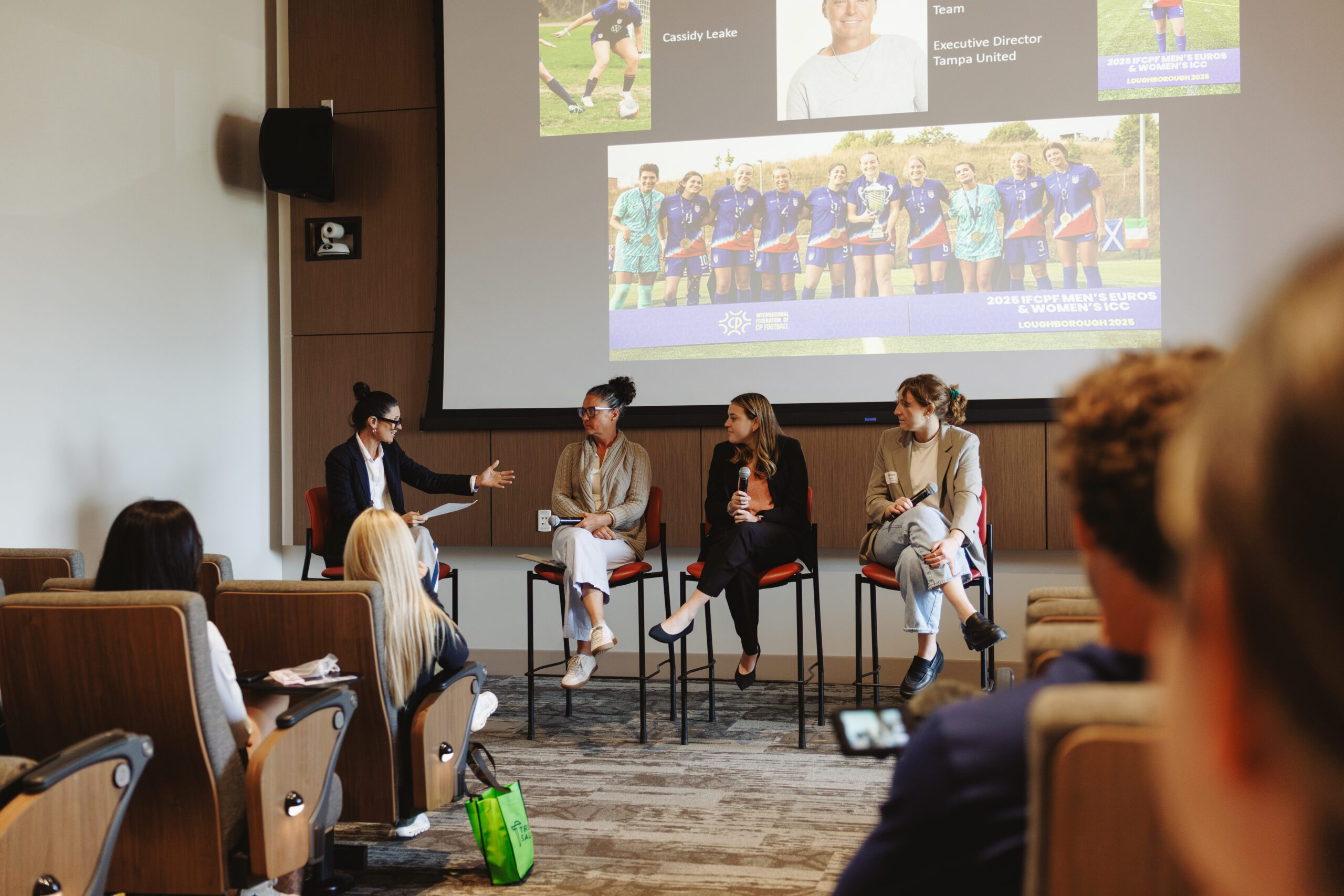
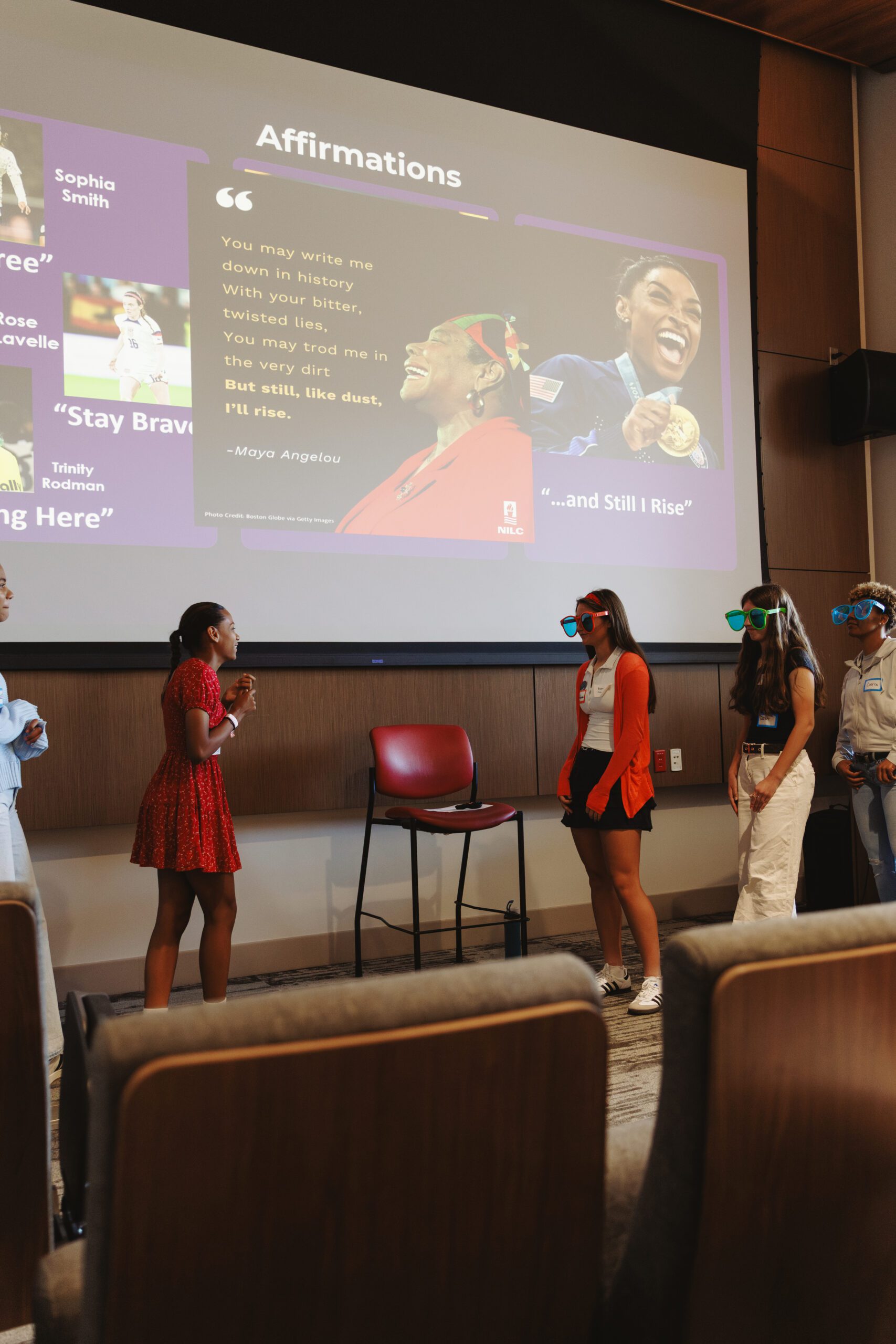
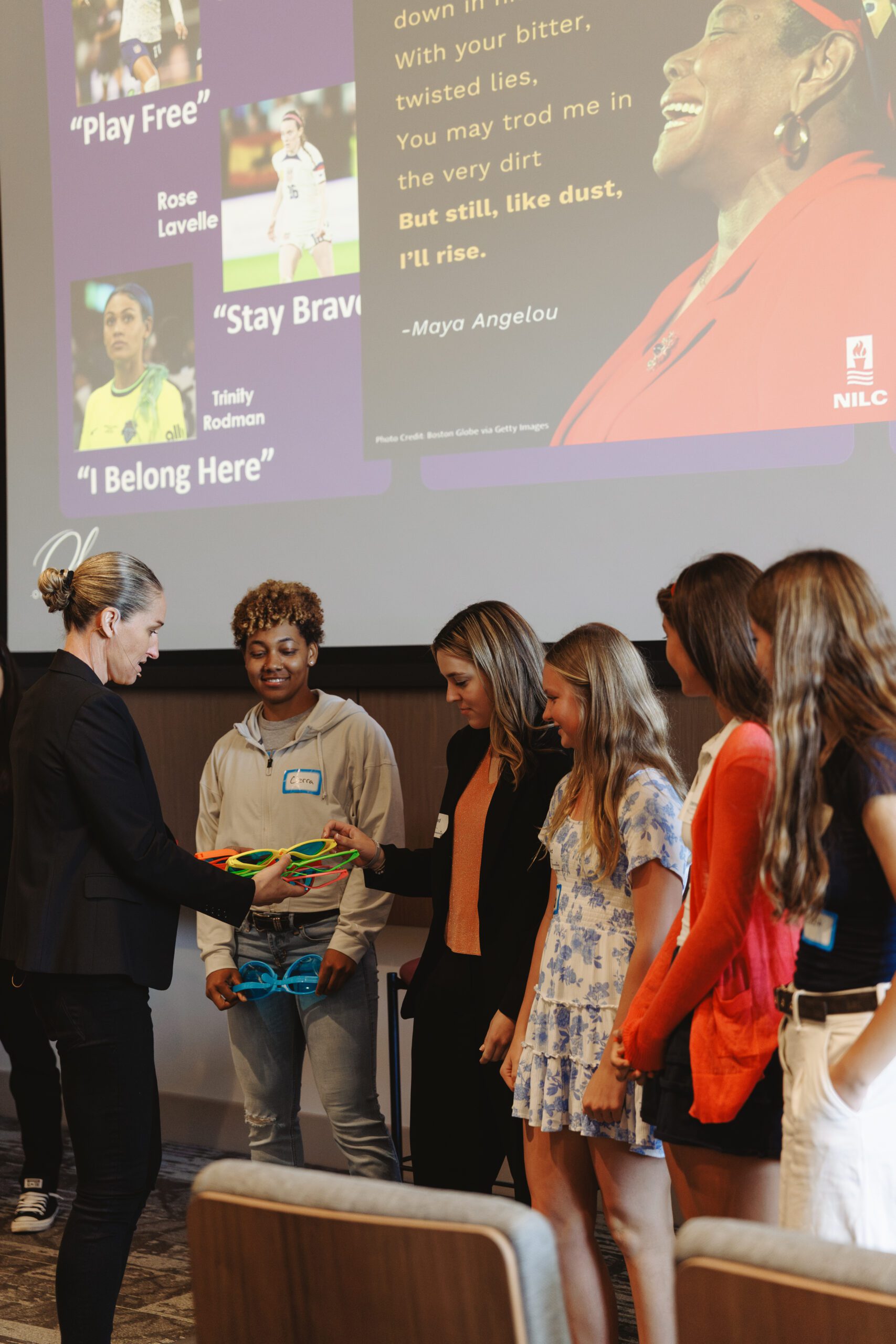

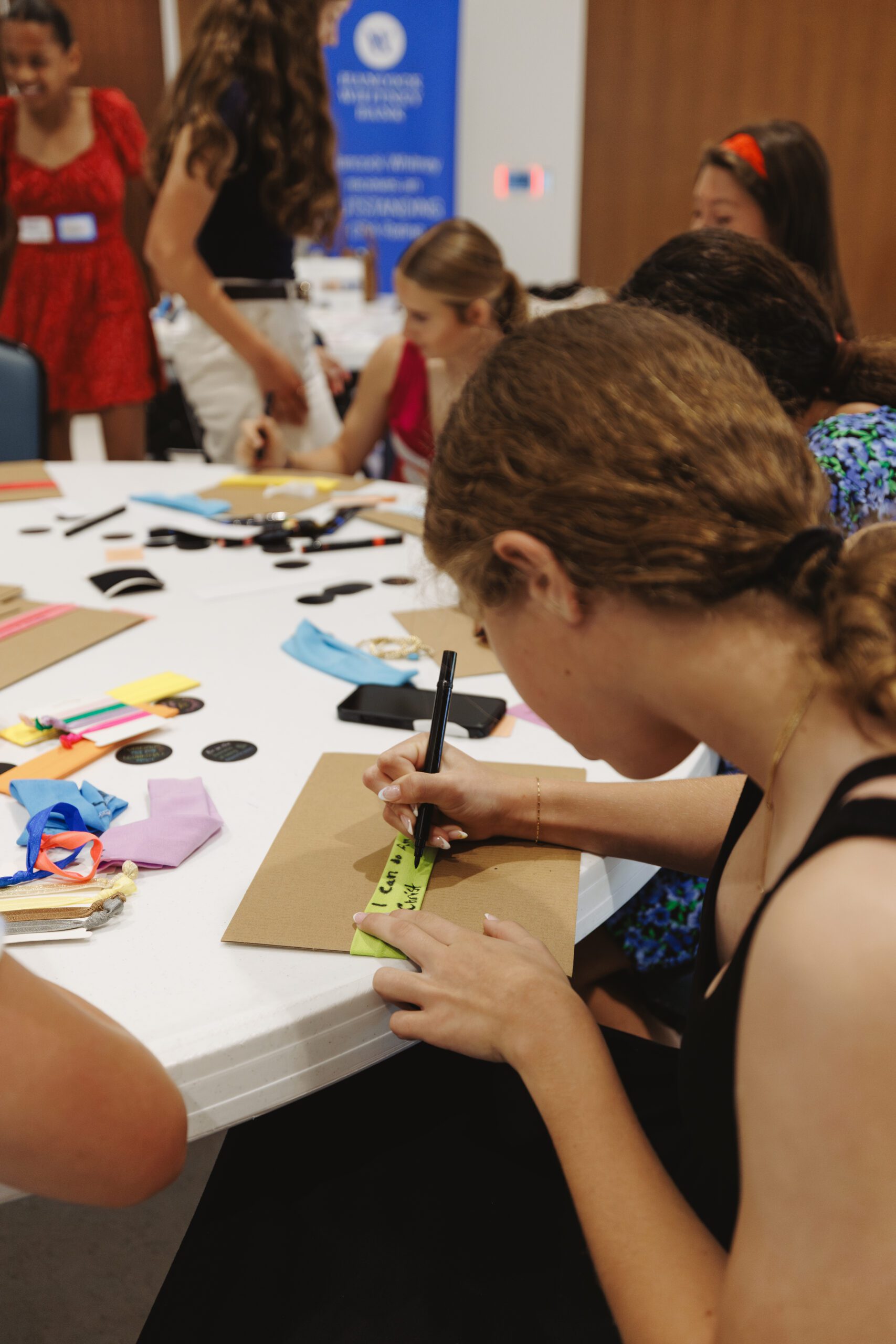

We are proud to announce Tribeca Salons as the official title sponsor of our Women’s Leadership Program, helping us empower the next generation of leaders both on and off the field.
Tribeca shares our commitment to developing confident, resilient young people, and we are honored to have their support. Here’s what they had to say about the partnership:
“We’re proud to partner with Tampa Bay United as the official title sponsor of their Women’s Leadership Program. At Tribeca, we believe confidence starts from within — and we’re passionate about helping young people build it. This partnership allows us to support adolescents of all identities as they navigate self-esteem, leadership, and personal growth. As an inclusive, locally owned business and a certified Florida Benefit Corporation, we’re committed to making a positive impact — not just in our salons, but in the community we love. We’re excited to team up with TBU to help the next generation feel strong, seen, and ready to lead.”
See below for Tribeca’s essays exploring body image, peer pressure, academic & extracurricular pressure, and the role of family influence and support.

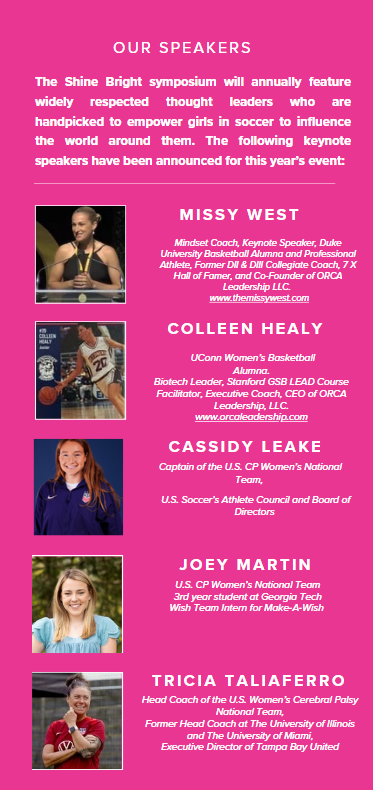
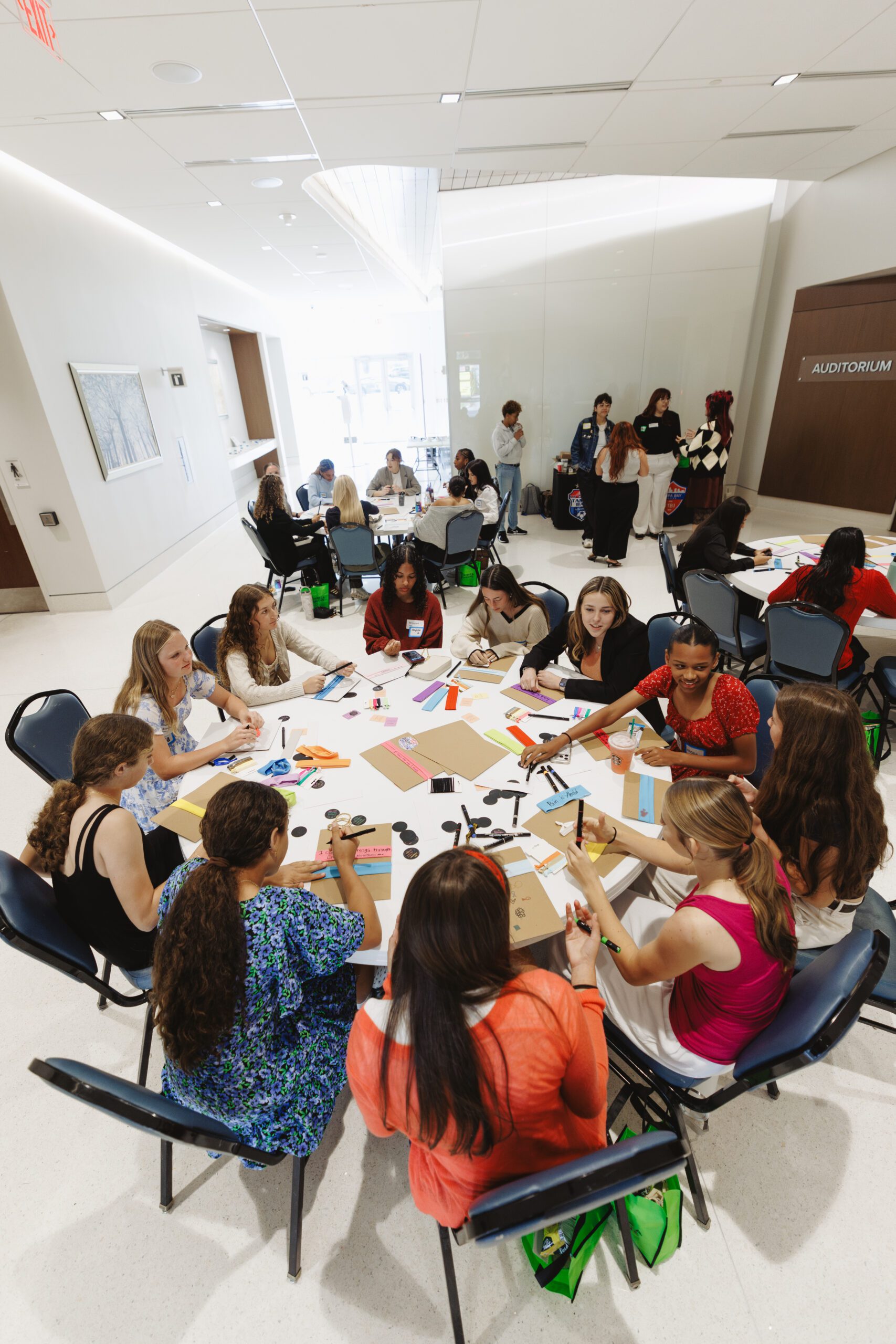
March 2nd, 2026 COMPLETED at Adventhealth |
2027 Symposium Details: To Be Announced. More details coming soon!
 TBU x Tribeca Salons “Shine Bright” Scholarship
 TBU x Tribeca Salons “
Tampa Bay United, in partnership with Tribeca Salons, is proud to have issued two, $1,000, “ShineBrightHER” Scholarships to support our female TBU athletes. These scholarships were awarded to two TBU players who exemplify TBU’s core values and a commitment to making a positive impact within their communities.
2026 Scholarship Awardees: Congratulations to Jillian Elliott, and Rayne Leslie
2027 Submission Window: Now Open : Apply By Clicking The Button Below
Deadline: January 31, 2027 Awards Presented: At the next ShineBrightHER Symposium on March 8th, 2027
Applicants are encouraged to submit an essay demonstrating how they live out these values in their academics, athletics, community involvement, family life, and how they plan to carry those values forward into their college careers.
Jillian Elliott
TBU ECNL ‘09
ShineBrightJHER Symposium
February 26, 2026
Empowered to Lead
Leadership is not a title I hold by definition but by a characteristic I show through action.
It comes with responsibility, something I have grown into over time. Over the years, I have
struggled with being overlooked by coaches, teachers, and even people close to me. I was labeled
as too quiet and too small, and I never felt I had the voice to shape how others perceived me.
Since I was only in middle school when the struggle began, I did not yet know how to manage
the emotions it brought.
I switched soccer clubs going into my eighth-grade year. The adjustment was challenging
at first, but by my freshman year, I began to see myself differently. A new coach introduced a
perspective that changed how I saw myself, not just as a player, but as a person. Although she
was demanding and pushed me harder than anyone had before, she respected me. I had always
been the type of player who held back, keeping my thoughts to myself. She told me, “If you want
to get recognized, you need to take control.” Every night, I replayed those words, thinking about
how much I wanted not only to be seen but also to be heard.
She told me I would step into a position that required me to guide and organize the entire
team. I remember the first time I had to direct my teammates during a high-pressure match. The
score was close, and every decision felt heavier than usual. My voice trembled at first, and I
could feel the hesitation I used to carry rising in my chest. But when they responded and adjusted, something steadied inside me. I realized that leadership was not about being the loudest
voice on the field, but about having the courage to speak when it mattered most. In that moment,
I refused to let her down. Every day, I took responsibility and spoke with a confidence I had
never shown before. My teammates began to respond to my voice, and even off the field, I found
the courage to lead by example.
Now I lead with confidence, something I once lacked but refuse to surrender. I have
learned that confidence is built through responsibility and follow-through. When I speak, it is
with intention, and my teammates know they can rely on me. I motivate others by showing
consistency and accountability in everything I do. Because I once struggled to feel heard, I also
lead in a way that ensures others are not overlooked. Without that awareness, I would not have
earned the trust and admiration of my teammates and coaches.
The ShineBright Girls Leadership and Empowerment Symposium is the next step in my
leadership journey. To me, ShineBright means continuing the growth that began when I first
found the courage to lead my team. I hope to learn from women who lead with purpose while
contributing the lessons I have gained through my own growth. I am ready to continue growing
into the kind of leader who steps forward when it matters most.
By: Rayne Leslie
Tampa Bay United 09 ECNL Girls
When I was eight years old I started playing soccer competitively. While at a co-ed practice one
day, I was excluded from scrimmaging with boys. As I sat on the side waiting for the practice to
end, the trainer explained to my dad that I was “too small and shy”, what he really meant was
that I was a girl that didn’t belong in “masculine spaces” like the soccer field.
When I was 12 years old I waited on the sidelines of my first middle school soccer game for my
chance to be subbed in. There were six minutes left in the second half when I was subbed on. It
was then that I knew what I had to do. I had to shine.
“Shine Bright” to me means not holding back and giving my absolute best, no matter what.
What’s essential about shining bright is a positive attitude that pushes back against any and all
negativity. Without positivity it is nearly impossible to shine bright because you are permitting
darkness to surround you, dimming your light in the process. What some people may find
confusing about this concept is that “shining bright” does not mean being the utmost best.
Instead it means quite the opposite, it means being a bundle of energy moving at light-speed,
creating brightness wherever one goes. Interestingly, one’s light could be so bright even when
they’re not playing any games at all.
Before I was confused too, but I grew to learn a little bit about the force that comes with shining
bright when I tore my acl two years ago and was out for almost a whole season. After my injury,
not surprisingly, I was surrounded by the darkness of my thoughts – feeling as if there was no
light at the end of the tunnel, and if there was one, there was no way I would ever find it. I
stopped showing up to practices, I mean what was the point? I couldn’t play anyway. Eventually,
my mom started forcing me to start going out to practices, “at the very least I could help with the
balls” she told me. Brick by brick I began to rebuild my love for the sport that left me
permanently scarred, and through this love, I found a love for the things and people around me.
I began to attend all of my team’s training, games, and tournaments. Although I wasn’t playing
yet, I found joy in being on the bench with my teammates as they competed in games that were
difficult and pushed them to limits. I analyzed the games and gave the girls constructive
feedback on what I saw, pushing them to play their very best, which I knew each and every one
was capable of. I cheered when our defenders made a tackle, I laughed with my teammatesafter wins, I cried with them after losses, and I got up and celebrated when we scored. I had so
much fun, I even considered becoming an actual cheerleader.
After the co-ed scrimmage that I was forced to sit out of, the coach offered my dad some advice
that would push me to never succumb to anyone’s low expectations of me and never let
anyone’s negative outlook hold me back from achieving my dreams. He told my dad that he
should just “cut his losses” and have me quit soccer while I was young because women’s soccer
would never develop on a stage even remotely close to men’s. We know he was very wrong
with this comment because articles like Forbes says “women’s sports revenue is growing 4.5
times faster than men’s and women’s soccer is attracting major brands and investment”. Not
only that, but “participation in women’s soccer has increased by nearly 25% since 2019, with
over 16.6 million women and girls playing soccer”. This progress is without a doubt a result of
the strong women who refused to give in to that negative outlook and continued to shine their
lights throughout the harsh critiques, creating a space of equity on and off the field.
To sum it all up, attending this symposium would not only elevate my leadership journey, but it
would cultivate it – shaping it in ways I wouldn’t even be able to imagine as I hear about the
different stories of success shared by women who surpassed their own levels of adversity to set
examples for girls like me all over the world. As I’ve grown older and matured, if I learned
anything, it’s that negativity will be in every corner you look; it is inevitable that at one point in
life, (if not more), one will be haunted by a darkness looking to bring them down into the depths
of despair, and the only defence against this is refinding the positivity – the light at the end of the
tunnel. As one’s light beams in every direction, it is bound to find someone who was also
soaking in the darkness and bring them into daylight, so you should never feel ashamed of
shining because you help yourself as much as you help those around you. What does it mean to
“shine bright”? It means shining fully, no restrictions or hesitations. It means being completely
and unapologetically yourself in the best lighting possible, using the force of positivity as a guide
even in the darkness of night. That’s what it means to shine bright!
Women Owned Sponsors & Partners





Women’s Conference of Florida (WCOFL)
Founded in 2015, the Women’s Conference of Florida is a private, non profit 501(c)(3) organization dedicated to empowering women across the state through leadership, education, and meaningful dialogue. WCOFL provides a powerful platform for women to address the most important issues impacting their personal and professional lives, from leadership and entrepreneurship to confidence, equity, and financial literacy.
Through its annual statewide conference, which Tampa Bay United girls attend each year, WCOFL features nationally recognized thought leaders, panel discussions, networking opportunities, and interactive programming designed to inspire women to lead with purpose and create positive change in their communities. Past speakers have included Abby Wambach, Mel Robbins, Randi Zuckerberg, Ally Love, Mira Sorvino, Erin Brockovich, and many more.
As a partner of Tampa Bay United’s Girls and Women’s Leadership Program, the Women’s Conference of Florida aligns seamlessly with our mission to empower female athletes beyond the field, building confidence, resilience, and leadership skills that translate into every aspect of life. Together, we are committed to amplifying women’s voices and preparing the next generation of leaders to make an impact both on and off the pitch.




See below for Tribeca Salons’ essays exploring body image, peer pressure, academic & extracurricular pressure, and the role of family influence and support.
(From the perspective of a mom with a 1-year-old daughter)
My little girl is only one, and when I look at her, I see nothing but joy. She laughs when she sees her reflection, she claps for herself when she stands up, and she doesn’t care at all about what she looks like. I love that. But I know it won’t stay that way.
I’m only 24, and I’ve grown up with social media. I know how it feels to scroll and start thinking, Why don’t I look like her? Why isn’t my life like that? It’s hard enough for me, and I’m an adult. I can only imagine how much harder it might be for my daughter when she gets older. That’s why I think about what I can do now, while she’s still so young, to help her feel good about herself later.
How I Talk About Myself
One of the biggest things I can control is how I talk about myself in front of her. I’ve caught myself before saying things like, “I hate my hair” or “I look awful today.” If she grows up hearing me say stuff like that, she’ll start talking that way about herself too.
So I’m trying to change. I want her to see me look in the mirror and say, “I like this shirt” or “I feel good today.” Even if I don’t fully believe it, I know she’s watching and listening, and I don’t want her to grow up thinking being hard on yourself is normal.
What She Hears at Home
I also want to make sure the words she hears at home aren’t only about looks. I want her family to tell her she’s smart, funny, brave, and kind. Sure, people will say, “She’s so pretty” (and she is), but I don’t want that to be the only thing she hears. I want her to know her worth is about more than her face.
Media and Screens
Right now, the only screen she cares about is when I play cartoons to distract her while I fold laundry. But one day she’ll have her own phone, and that honestly scares me a little. I’ve seen how fake a lot of what’s online is, but it can still mess with your head.
My plan is to talk to her about it as she grows. Not just making rules, but actually sitting down and asking, “What do you think about this picture?” or “Do you think that’s real?” I want her to know it’s okay to question what she sees instead of comparing herself to it.
Praising What Her Body Can Do
When she takes a step, I cheer. When she learns a new word, I clap. I want her to always feel proud of what her body and her mind can do, not just how she looks. As she grows, that will mean celebrating her effort in school, her hard work in sports, or her kindness to friends. That way, she won’t tie her value to appearance alone.
Family and Friends Matter Too
I’ve noticed that it’s not just me who shapes how she sees herself. Grandparents, aunts, uncles—they all play a part. I hope our whole family will build her up with kind words. If everyone around her shows her love for who she is, she’ll have a strong base when the outside world tries to tell her otherwise.
Looking Ahead
It’s hard to picture now, but one day she’ll stand in front of a mirror and wonder if she’s good enough. She’ll compare herself to other girls. She might even cry over a picture online. But when that day comes, I want her to have something stronger in her heart: the belief that she’s already enough.
That’s why what we do now matters. Even at one year old, the way we talk, the way we live, and the love we give her are shaping how she’ll see herself later.
Final Thought
I can’t protect my daughter from every bad influence, but I can give her a strong foundation. I can teach her by example, surround her with love, and remind her every single day that she is more than how she looks.
If she grows up believing that, then I’ll know I’ve done something right.
(Written from the perspective of a hairdresser with a teenage daughter)
Working in a hair salon, you hear about friendships all the time. Women come in, sit down, and the conversation starts flowing: who they’re close with, who they’ve drifted from, and who hurt them. Friendships shape our lives in ways we don’t always realize. And now that I’m raising a teenage daughter, I see firsthand how powerful peer pressure and friendships can be for her self-esteem.
When my daughter was little, she was fearless about who she played with. On the playground, she’d walk up to any kid and say, “Wanna play?” Easy as that. But now that she’s sixteen, it’s not so simple. Every friendship feels loaded—like it’s about fitting in, being cool, or keeping up with the group. I watch her struggle with wanting to be accepted while also wanting to be true to herself.
And honestly, I get it. Even as adults, we deal with the same thing. In the salon, I’ve had clients confide that they still feel pressured to dress a certain way, drink more than they want to, or gossip just to belong. If grown women are still wrestling with it, how can we expect teenagers not to?
The Pressure to Belong
My daughter came home one day upset because her friends were all talking about a party. She hadn’t been invited, and she felt like she was on the outside looking in. I could see the shame in her face—like being left out meant there was something wrong with her. I told her something I’ve learned from years behind the chair: not every group is your group, and that’s okay.
I see it in women too—some come in and light up the whole room with kindness, while others sit there critiquing everyone else. Who do you think walks out happier? It’s the same for our daughters. Being part of a group isn’t worth it if it means shrinking yourself or pretending to be someone you’re not.
Teaching Her to Say “No”
Peer pressure isn’t always about big things like drinking or skipping school. Sometimes it’s smaller, like copying the way friends dress, laughing at jokes that aren’t funny, or agreeing with opinions she doesn’t share. I remind my daughter that saying “no” doesn’t make her weak—it makes her strong.
At the salon, I have to say no all the time. A client might want a hairstyle that won’t work with her hair type, and I have to gently but firmly explain why. If I just said yes to please everyone, I’d end up with unhappy clients and ruined hair. Friendships are the same: saying yes to everything just to please people only leaves you drained and unsatisfied.
Popularity vs. Real Friendships
I’ve watched my daughter’s friend groups shift over the years. Some girls she thought would be her “forever friends” turned out to be more concerned with status than with kindness. That was a tough lesson. But I’ve also seen her grow closer to friends who truly support her—girls who cheer for her successes, sit with her when she’s down, and never make her feel like she has to change who she is.
I tell her: popularity is temporary, but real friendships are investments. They don’t just make the teenage years easier; they set the foundation for adult confidence. I’ve had the same three best friends since beauty school, and we’ve stuck together through thick and thin. That’s what I want her to look for—not who has the most likes on TikTok.
When Friendships Hurt
Of course, not all friendships are healthy. My daughter has been through her share of drama—friends who talk behind her back, who exclude her to make themselves feel powerful, or who pressure her into things she’s not comfortable with. When she comes home crying, I feel helpless. But I remind her: if a friendship consistently makes you feel small, it’s not a friendship worth keeping.
I’ve had clients break down in my chair over toxic relationships—women in their thirties, forties, even fifties—still dealing with “mean girl” behavior. It starts young, and the only way to protect our daughters is to teach them early that it’s okay to walk away.
Building Confidence Outside of Friend Groups
One thing I’ve found helpful is encouraging my daughter to build confidence in places outside her social circle. Sports, art, volunteering, even her part-time job—these give her a sense of identity that isn’t tied to whether her friends approve. The more she invests in her own interests, the less desperate she feels to belong to groups that don’t treat her well.
At the salon, I’ve seen shy assistants blossom once they find their own rhythm. They don’t need everyone’s approval; they find confidence in their craft. I tell my daughter the same thing: “Find what you love, and let that be your anchor. Friends will come and go, but your passions stay with you.”
Advice to Other Parents
If you’re a parent reading this, here’s what I’ve learned so far:
- Listen before you lecture. When my daughter vents about friend drama, I bite my tongue and let her talk. She doesn’t always need solutions right away—sometimes she just needs to feel heard.
- Don’t dismiss her feelings. To us, teenage friendship drama might seem small, but to her, it feels like the world. Validating her emotions makes her more likely to come back to me next time.
- Model healthy friendships yourself. I try to let her see me spending time with my true friends, not just the people who are convenient. Actions speak louder than words.
- Remind her that friendships should feel safe. I tell her, “You should never feel like you’re auditioning for someone’s approval. The right friends won’t make you work that hard.”
Raising a teenager is messy—I won’t lie. Some days, I feel like I’m failing. But when I see my daughter laughing with friends who accept her exactly as she is, I know we’re making progress.
At the salon, women often ask me what the secret to confidence is. I think part of it comes down to choosing the right people to surround yourself with. And that’s what I want most for my daughter—to know that her worth isn’t decided by who invites her to the party, but by the love and respect she carries with her, and the kind of friendships she chooses to nurture.
(Written from the perspective of a hairdresser with a teenage daughter)
Every morning before I head to the salon, I peek into my daughter’s room. She’s usually hunched over her desk, textbooks spread out, earbuds in, already stressed about the day ahead. She’s only sixteen, but sometimes I look at her and think she’s carrying the weight of the world on her shoulders. School, sports, after-school clubs, friends—she’s juggling it all. And as a mom, I can’t help but wonder: when did being a teenager become this exhausting?
Working as a hairdresser, I see women at all stages of life, and so many of them talk about pressure. Pressure to perform at work, to keep their homes running, to stay fit, to look good. And then I look at my daughter, and I realize the pressure starts much earlier than adulthood. It starts in high school, with grades, test scores, extracurricular activities, and the endless race to “be the best.”
The Perfectionist Trap
My daughter is a perfectionist, and I can see how much it eats at her. She studies for hours, and if she gets a 92 instead of a 100, she feels like she’s failed. I’ve heard her mutter, “I’m not smart enough” over a single wrong answer. It breaks my heart because I know her worth has nothing to do with numbers on a report card.
I tell her stories from the salon. I’ve worked with stylists who were average in school but brilliant with their hands, their creativity, and their people skills. Success doesn’t always come from being the top student—it comes from persistence, from passion, and from finding joy in what you do.
Overcommitment and Burnout
It’s not just academics. My daughter plays soccer, does theater, and volunteers at the local shelter. I love that she’s so involved, but I’ve watched her come home late, collapse on her bed, and cry from exhaustion. It reminds me of when I first started out in the salon and thought I had to say yes to every client, every shift, every favor. I learned the hard way that burnout doesn’t just drain your energy—it eats away at your self-worth.
So I sit her down and remind her: it’s okay to step back. Dropping one activity doesn’t make her a failure. It makes her human. Balance is a lesson I wish I’d learned earlier in life, and I’m determined to help her find it sooner than I did.
The Comparison Game
One of the hardest things about being a teenager today is how easy it is to compare yourself to others. My daughter scrolls through social media and sees classmates posting about their scholarships, their awards, their perfect performances. Even at school, she hears constant chatter about who got into which honors class or who scored highest on the test.
I remind her of something I’ve seen over and over in the salon: everyone’s path looks different. Some of the women who struggled in school are now thriving business owners. Some of the women who seemed to “have it all” as teenagers are still searching for themselves. Life isn’t a race. Her worth isn’t tied to outdoing someone else—it’s tied to the kind of person she becomes.
Shifting the Focus to Growth, Not Results
When my daughter stresses over grades, I try to shift the conversation. Instead of asking, “What did you get on your test?” I ask, “Did you learn something new?” or “What part did you enjoy?” I want her to see effort as valuable, not just the outcome.
At the salon, we celebrate growth all the time. When a new apprentice masters a new technique—even if it’s not perfect—we cheer them on. Progress matters more than perfection. I try to carry that same spirit into our home.
Encouraging Rest and Joy
One of the best pieces of advice I ever got as a stylist was, “If you don’t take care of yourself, you can’t take care of your clients.” The same goes for teens. If my daughter doesn’t rest, laugh, and just be a kid, she won’t have the energy or confidence to face her challenges.
So I push her (gently) to make space for joy. Whether it’s baking cookies with friends, watching a silly show, or just lying in bed doing nothing, I remind her that rest is not laziness—it’s necessary.
Advice for Other Parents
Here are a few things I’ve learned while walking this road with my daughter:
- Value effort over results. Let your daughter know you’re proud of her for trying, even if the grade isn’t perfect.
- Watch for signs of burnout. If she’s constantly tired, irritable, or anxious, it may be time to cut back on activities.
- Model balance yourself. When I say no to overworking at the salon, I’m showing her that rest is important.
- Celebrate her whole self. Remind her that she’s more than a student or an athlete—she’s a daughter, a friend, a human being with unique gifts.
Closing Thoughts
Every day, I see women in my chair who still feel the pressure to be perfect. They tell me about their jobs, their families, and the ways they feel like they’re falling short. And I realize: if we don’t teach our daughters now that they’re enough, they’ll carry that burden into adulthood.
I want my daughter to know that her value isn’t measured by grades or trophies. It’s in her laughter, her kindness, her effort, and her heart. If she can believe that—even just a little—I’ll feel like I’ve done my job as her mom.
And if you’re reading this as another parent, take it from me: your daughter doesn’t need you to push her harder. She needs you to remind her she’s already enough.
(Written from the perspective of a mother with a teenage daughter)
When you spend your days in a hair salon, you notice something: women often talk about their mothers while they sit in the chair. Sometimes it’s sweet—stories about family traditions, favorite recipes, or little lessons they learned growing up. Other times, the stories are harder. Clients tell me about the harsh words, the constant criticism, or the pressure they felt to look or act a certain way. And every time I hear those stories, I’m reminded of how much influence we parents have on our children’s self-esteem.
Now that I’m raising my own teenage daughter, I feel that responsibility more than ever. She’s sixteen, right at the age where she’s figuring out who she is, and I know my words—and even my silences—carry weight. If I tell her I’m proud of her, she lights up. If I criticize her too harshly, I can see her shrink. Family influence is powerful, and whether we like it or not, we’re shaping how our kids see themselves every single day.
The Power of Words
I’ll never forget one afternoon when my daughter tried on a new dress she bought with her friends. She came into the living room, spun around, and asked, “What do you think?” Without thinking, I blurted out, “That color’s a little bright.” The smile dropped from her face, and she went back to her room. I didn’t mean it as an insult, but in that moment, my words carried more weight than I realized.
At the salon, I’ve seen this pattern over and over. Grown women tell me they still remember something their mother said when they were teens—“Your hair is too frizzy,” “You need to lose weight,” “Why can’t you be more like your sister?” Decades later, they still hear those words in the mirror. That’s why I try so hard to be intentional with what I say to my daughter. Praise when it’s deserved, gentle correction when it’s needed, and lots of reminders that she’s loved no matter what.
Encouragement vs. Expectations
As parents, we want our kids to succeed, but sometimes our expectations can do more harm than good. I’ve seen clients break down in my chair because they spent their lives trying to live up to impossible standards set by their families. I don’t want that for my daughter.
Of course, I want her to work hard and be responsible. But I also want her to know that her worth isn’t tied to grades, trophies, or achievements. I try to encourage effort, not perfection. When she studies hard for a test, I tell her I’m proud of her dedication, not just the grade she earns. When she plays a soccer game, I cheer for her hustle, not just whether she scored a goal.
Modeling Self-Esteem at Home
One of the hardest lessons I’ve learned is that my daughter is watching me more than she’s listening to me. If I criticize my own body in the mirror, she notices. If I complain about being “too busy” all the time, she notices. And if I practice self-care and speak kindly about myself, she notices that too.
In the salon, I’ve seen this play out across generations. I’ve had mothers and daughters come in together, and it’s amazing how often the daughter mirrors the mother’s attitude. If the mom sits down and sighs, “I hate my hair, I look awful,” the daughter usually does the same. But when the mom says, “Let’s try something fun, I feel like treating myself today,” the daughter beams. We pass on more than genetics—we pass on how to treat ourselves.
Creating a Safe Space
I want my daughter to know that home is her safe space. The world is already full of judgment—teachers, peers, social media, you name it. If she can’t come home and breathe, where can she?
So I try to make sure she knows she can tell me anything. Sometimes that means listening without immediately jumping in with advice. Sometimes it means letting her cry without fixing it. And sometimes it means admitting when I don’t have the answers, but reminding her that I’m always on her team.
Traditions of Support
One small thing we’ve done in our house is start a little ritual. Once a week, usually Sunday night, we sit down with hot tea and just talk about our week—what went well, what was hard, what we’re grateful for. It’s simple, but it gives her space to reflect and reminds her that she’s not alone.
I’ve even seen her carry this into her friendships. She’ll check in on her friends the same way, asking them how they’re really doing. That’s when I know our family support is spilling over into the rest of her life, which makes me proud.
Advice for Other Parents
If you’re raising a teenage daughter, here’s what I’d say:
- Mind your words. They stick longer than you think. Even offhand comments can shape how she sees herself.
- Encourage effort, not perfection. Success isn’t just in the results—it’s in the trying.
- Model the behavior you want. Speak kindly about yourself, because she’s learning how to treat her own reflection by watching you.
- Be the safe place. Let home be the one spot where she feels completely accepted.
- Create rituals of connection. Whether it’s family dinners, car rides, or weekly check-ins, consistency matters.
Closing Thoughts
At the salon, I see women who carry both the gifts and wounds of their family upbringing. Some beam with confidence because they were loved and encouraged. Others still struggle because they were constantly criticized or compared. That’s the power of family influence—it lasts a lifetime.
I can’t control everything my daughter faces in the world, but I can control the environment I create at home. I can choose to be the voice that builds her up instead of tearing her down. I can remind her that no grade, no friend group, no social media post will ever change the fact that she is loved, supported, and enough just as she is.
If we, as parents, can do that consistently—even imperfectly—I believe our daughters will carry that foundation of confidence with them wherever they go. And really, isn’t that the greatest gift we can give them?











Leading With Impact: Our Women in Leadership

Tricia Taliaferro
Executive Director

Nel Hayes
Director of Soccer Operations
Trish McCarron
Director of Member Services

Simone Morales Young
Junior Competitive Director (U8-U12 Girls)
Michele Knoedler
Wesley Chapel Recreational Director
Marcia Romero
Tampa Bay United Board Member | At-Large